
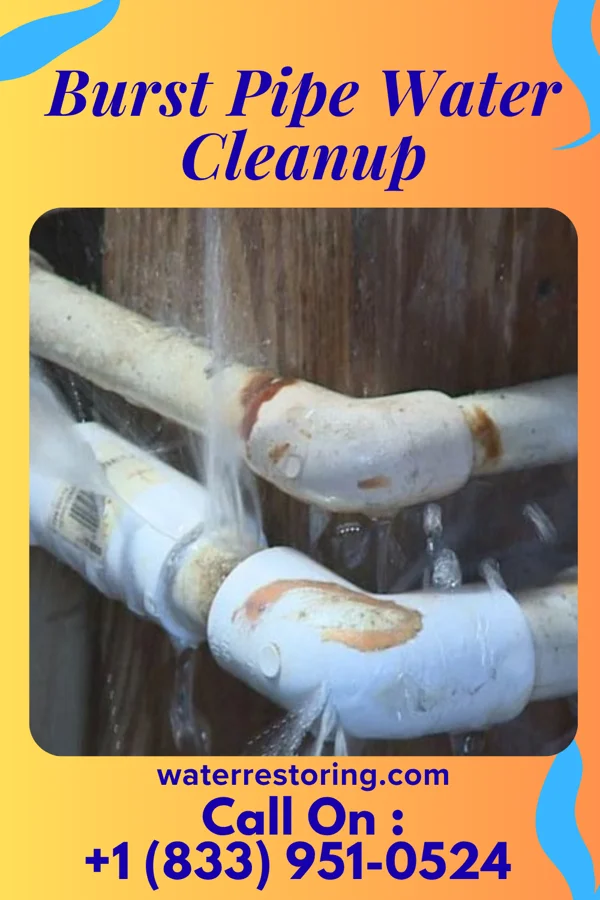
Barker Ten Mile Pipe Burst Risk Drivers
Water damage in Barker Ten Mile tends to cluster in predictable windows because of the local climate. Barker Ten Mile, located in Robeson County, experiences a mix of rural and small-town infrastructure, which can lead to older plumbing systems that are more prone to bursts. The area's proximity to Lumberton and St. Pauls means some homes may have outdated pipes that are not regularly maintained, increasing the risk of sudden pipe failures during peak usage times. A close second is The rural nature of Barker Ten Mile means that many homes are not connected to modern municipal water systems, relying instead on private wells or older municipal lines. This can result in inconsistent water pressure and potential corrosion, making pipe bursts more likely, especially during seasonal changes or after heavy rainfall..
The combination of high humidity and frequent rainfall in Barker Ten Mile creates an environment where plumbing systems are under constant stress. This climate contributes to both corrosion and pressure fluctuations, making pipe bursts a common issue that requires prompt attention.
The combination of high humidity and frequent rainfall in Barker Ten Mile creates an environment where plumbing systems are under constant stress. This climate contributes to both corrosion and pressure fluctuations, making pipe bursts a common issue that requires prompt attention. The dominant local driver is Barker Ten Mile, located in Robeson County, experiences a mix of rural and small-town infrastructure, which can lead to older plumbing systems that are more prone to bursts. The area's proximity to Lumberton and St. Pauls means some homes may have outdated pipes that are not regularly maintained, increasing the risk of sudden pipe failures during peak usage times., with The rural nature of Barker Ten Mile means that many homes are not connected to modern municipal water systems, relying instead on private wells or older municipal lines. This can result in inconsistent water pressure and potential corrosion, making pipe bursts more likely, especially during seasonal changes or after heavy rainfall. showing up as the next most common cause. Damage builds in stages. Spread. Absorption. Microbial growth. Structural compromise. Every stage you pass through adds to the final bill.